

Why Finance & Systems Transformation is Booming in the Third Sector
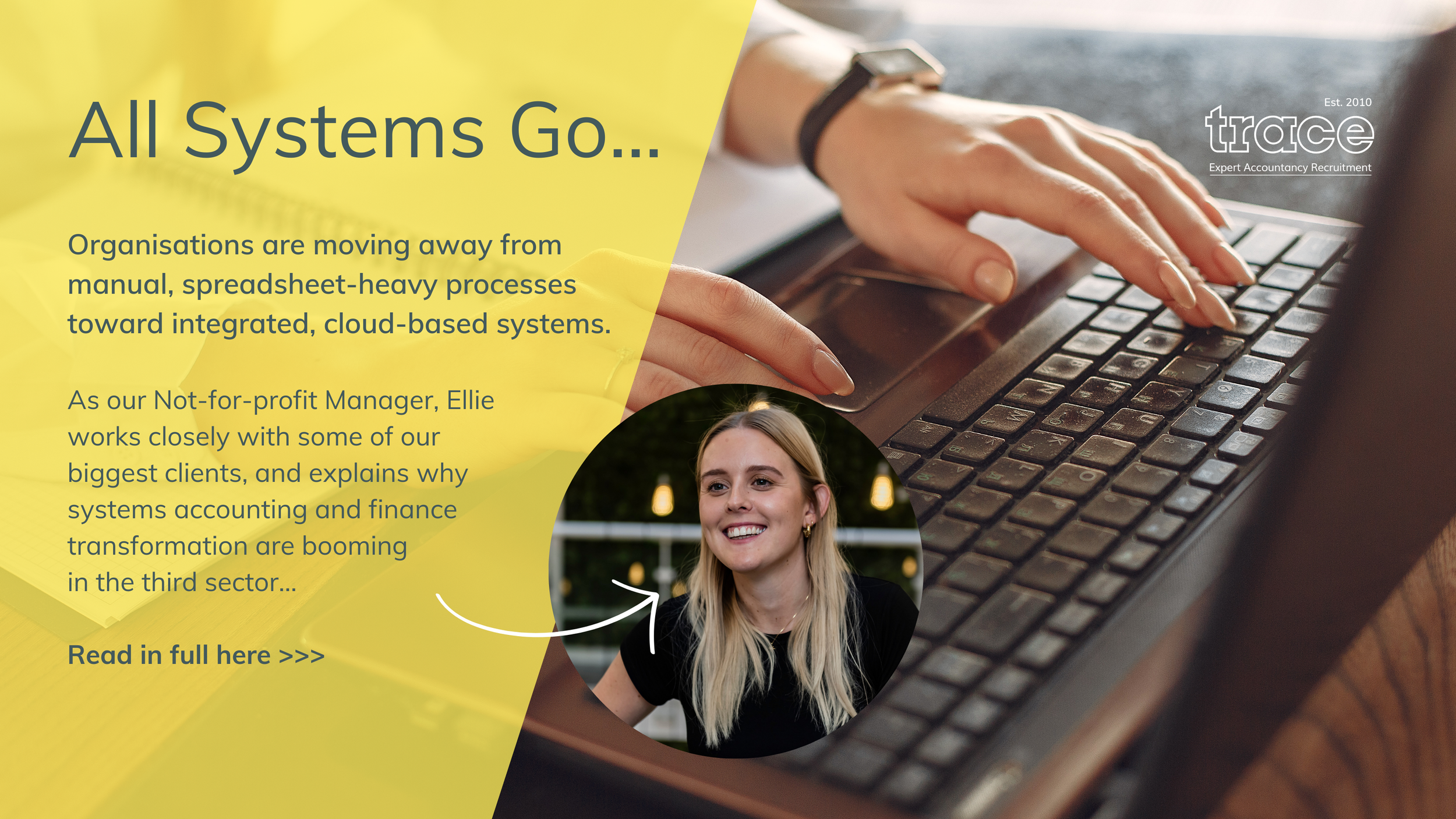
Over the past few years, I’ve had a front-row seat to a major shift in how charities manage finance, compliance, and operations.
As a finance recruiter specialising in the nonprofit sector, I see daily how organisations are moving away from manual, spreadsheet-heavy processes toward integrated, cloud-based systems.
Demand for systems accounting professionals has surged. Since the start of the year alone, I’ve delivered three systems-focused interim assignments, reflecting a broader trend across the sector. What was once managed through workarounds and legacy knowledge now requires specialist systems accountants and transformation professionals who can ensure technology delivers real, mission-driven impact.
Digital Transformation Is No Longer Optional
Charities of all sizes are prioritising digital transformation, not simply to cut costs, but to improve efficiency, transparency, and decision-making. Modern cloud-based systems provide real-time financial visibility, stronger compliance, and better strategic reporting.
This shift has created a growing need for professionals who operate at the intersection of finance and technology.
The Evolution of Finance Roles
Traditional accounting roles in the charity sector are changing fast. Finance teams are now expected to lead systems implementations, translate organisational needs into system workflows, manage data quality and integrations, and support change management across the organisation.
As a result, systems accountants, project accountants, and transformation leads are becoming increasingly common. Roles such as Systems Analyst or Systems Finance Manager now combine technical expertise, stakeholder management, and accounting knowledge.
Smarter, More Integrated Systems
Charity finance systems are no longer standalone tools. Today’s platforms integrate finance with fundraising, CRM, HR, and programme data, reducing duplication and improving insight. Emerging technologies, including automation and AI-driven analytics, are also freeing finance teams to focus on higher-value work, provided the systems are implemented and managed well. Tools such as Power BI and Tableau are increasingly being adopted across the third sector, enabling teams to create clear, accessible dashboards and deliver more meaningful insights for Boards and internal stakeholders.
Market Trends and Platform Consolidation
COVID acted as a catalyst, exposing gaps in digital capability as charities shifted rapidly to remote working. Since then, a small number of platforms have emerged as clear leaders in the UK charity and arts systems market.
Microsoft Business Central and Dynamics 365 have become particularly prominent, supported by charity-specific pricing and strong integration capabilities. Other key players, including NetSuite, Sage, Oracle Cloud, and SAP, continue to hold significant market share. As a result, systems professionals are increasingly specialising in one or more of these platforms to stay competitive.
The Cost of Getting It Wrong
Underinvesting in the right systems expertise often leads to delayed projects, incomplete implementations, and higher long-term costs. Choosing a cheaper option can quickly become a false economy when timelines slip and additional consultants are needed to fix avoidable issues.
With charity budgets under intense pressure, getting the right expertise in place from the outset is critical to protecting both financial investment and organisational impact.
What This Means for Your Charity
Treat digital transformation as a strategic priority
Invest in finance professionals with systems and project experience
Budget for training and change management to ensure adoption sticks
Final Thoughts
The rise in systems accounting and finance transformation roles reflects a broader shift toward efficiency, transparency, and better use of data across the charity sector. As systems become more sophisticated and reporting requirements evolve, demand for tech-savvy finance professionals will only continue to grow.
If you’re planning a finance transformation and need advice or support, feel free to get in touch with me directly via email here.